Sometimes a small change can make a noticeable difference in the way a smile looks. A chipped edge, narrow gap, uneven tooth, or spot of discoloration may not affect your oral health, but it can still be something you notice every time you smile. For patients who want a conservative cosmetic option, dental bonding in Warminster may be able to improve several common concerns without the more involved process required for some other cosmetic treatments.
At Warminster Gentle Dentistry, dental bonding is used to reshape or repair selected areas of a tooth with tooth-colored composite resin. The material is carefully matched to the surrounding enamel, placed directly on the tooth, shaped for a natural appearance, and hardened during the same visit. Because bonding usually requires little to no removal of healthy tooth structure, it can be an appealing option for patients who want a straightforward way to refine specific details of their smile.
What Is Dental Bonding?
Dental bonding is a cosmetic treatment that uses a moldable, tooth-colored resin to change the appearance of a tooth. The same general type of material is also used for tooth-colored fillings, although the purpose of cosmetic bonding is different. With bonding, the resin may be added to a tooth to repair a chip, smooth an irregular edge, close a small space, improve shape, or cover a localized area of discoloration.
The dentist selects a resin shade that coordinates with the natural enamel. Then, the surface of the tooth is prepared so the material can adhere securely. The resin is applied in small amounts, shaped to the desired contour, and hardened with a curing light. Finally, the bonded area is adjusted and polished so it blends with the surrounding tooth.
One of the biggest advantages of dental bonding is flexibility. It can be used for a single tooth or several teeth, depending on the goals of treatment. However, bonding is not designed to correct every cosmetic or structural problem. The dentist first evaluates the tooth, bite, enamel, gums, and the amount of change needed to determine whether bonding is a practical option.
What Smile Concerns Can Dental Bonding Address?
Dental bonding is most useful when the desired change is relatively small and the tooth has enough healthy structure to support the material. It can be especially helpful when a patient wants a natural-looking improvement without committing to a more extensive restoration.
Small Chips and Uneven Edges
Minor chips can occur from biting something hard, an accident, normal wear, or habits such as chewing pens or ice. Bonding can replace the missing portion and restore a smoother tooth outline. It may also be used when neighboring teeth have slightly uneven edges that make the smile look less balanced.
Before repairing a chip, the dentist considers why it happened. If grinding, clenching, or a bite issue is placing excessive pressure on the tooth, simply adding material may not solve the underlying cause. In those cases, the treatment plan may include steps to reduce the risk of repeated damage.
Small Gaps Between Teeth
For certain small spaces, bonding can be added to the sides of neighboring teeth to visually reduce the gap. This approach may be suitable when the teeth and bite are otherwise healthy and the amount of movement needed is minimal. Larger spaces or more complex alignment issues may be better addressed with orthodontic treatment.
The goal is not to make teeth look unusually wide. Careful planning considers tooth proportions, symmetry, and the way the bonded teeth relate to the rest of the smile.
Teeth That Look Short or Slightly Misshapen
Natural teeth come in many shapes and sizes. If one tooth looks shorter, narrower, or slightly different from neighboring teeth, bonding can sometimes be used to adjust its visible proportions. Resin can be added where needed and sculpted so the tooth fits more naturally into the smile.
Localized Discoloration
Some spots of discoloration may not respond to whitening in the same way as the surrounding enamel. In selected cases, bonding can cover a localized area and provide a more consistent appearance. However, if discoloration affects many teeth, professional whitening, veneers, or another cosmetic approach may offer a more appropriate result.
Exposed Root Areas
When gum recession exposes part of a tooth root, a tooth-colored resin may sometimes be used to cover and protect the area. This type of application can improve appearance and may also help with sensitivity in selected situations. The cause of gum recession still needs to be evaluated so the broader oral health concern is not overlooked.
Benefits of Dental Bonding
- Conservative treatment: Bonding usually requires little to no removal of healthy tooth structure when used for appropriate cosmetic concerns.
- Single-visit convenience: Many bonding procedures can be completed in one appointment because the resin is shaped directly on the tooth.
- Natural-looking color: Composite resin can be selected to coordinate with the shade of surrounding teeth.
- Versatility: Bonding can address small chips, gaps, uneven edges, minor shape concerns, and selected areas of discoloration.
- Custom shaping: The dentist can contour and polish the material to complement the patient’s tooth shape and smile.
- Repair potential: If a bonded area chips or wears, it may sometimes be repaired without replacing a larger restoration.
- Lower treatment commitment: For some patients, bonding can provide a cosmetic improvement without the laboratory fabrication required for porcelain restorations.
What Happens During a Dental Bonding Appointment?
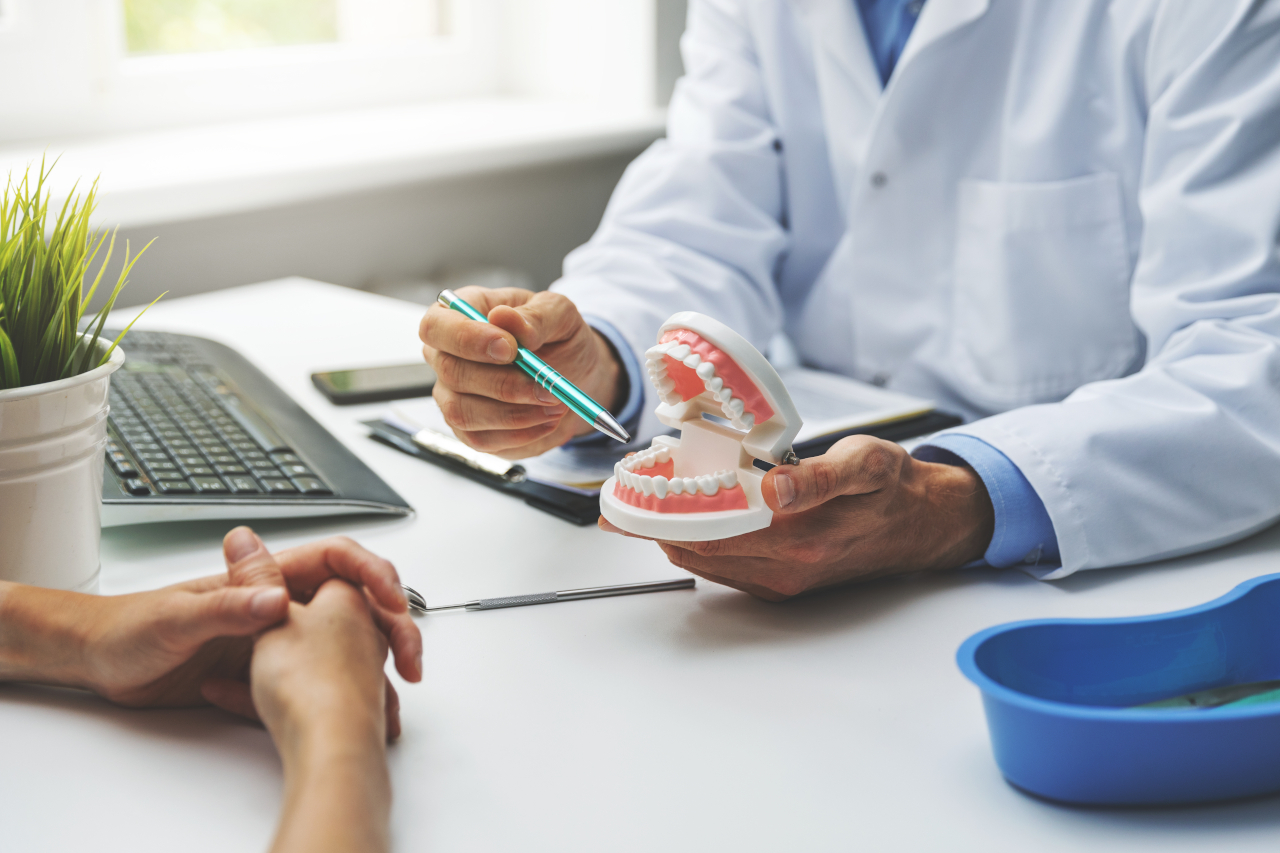
The first step is a cosmetic and oral health evaluation. The dentist looks at the tooth that concerns you, checks the surrounding teeth and gums, and asks what you would like to change. This conversation is important because a small cosmetic concern may have several possible solutions.
If bonding is appropriate, the dentist selects a composite shade that blends with your enamel. The tooth is cleaned and prepared, and a conditioning process helps create a strong surface for bonding. The resin is then placed gradually and shaped to create the desired contour.
A curing light hardens the material. Afterward, the dentist refines the shape, checks the bite, and polishes the restoration. The goal is for the bonded area to feel smooth and look like a natural part of the tooth rather than an obvious addition.
Depending on the size and location of the area being treated, local anesthetic may not be necessary for purely cosmetic bonding that does not involve decay or sensitive tooth structure. If bonding is being used in combination with another procedure, the comfort plan may be different.
How Is Dental Bonding Different From Porcelain Veneers?
Bonding and veneers can address some of the same cosmetic concerns, but they are different treatments. Bonding uses composite resin that is shaped directly on the tooth. Porcelain veneers are custom-made restorations that cover the front surface of selected teeth and are fabricated before final placement.
Bonding can be attractive for smaller changes because it is generally conservative and can often be completed in one visit. Veneers may be considered when a patient wants to make broader changes to tooth color, shape, size, or symmetry across several visible teeth. Porcelain also tends to resist staining better than composite resin.
However, there is no universal answer about which option is better. The appropriate choice depends on the amount of change desired, tooth condition, bite forces, budget, long-term expectations, and how much natural tooth structure would need to be altered.
How Is Dental Bonding Different From a Composite Filling?
Dental bonding and composite fillings use similar tooth-colored resin materials, but they are typically used for different reasons. A composite filling restores tooth structure that has been damaged by decay or fracture. Cosmetic bonding is usually placed to improve the appearance or contour of an otherwise healthy tooth.
For example, a cavity on a front tooth may be repaired with composite as a restorative filling. A small gap between two healthy front teeth may be reduced with cosmetic bonding. The material can be similar, but the diagnosis, treatment goal, and amount of tooth preparation may differ.
How Long Does Dental Bonding Last?
Dental bonding can last for years with appropriate care, but it is not as resistant to wear and staining as natural enamel or porcelain. Longevity varies based on where the bonding is placed, how large it is, the patient’s bite, daily habits, diet, and oral hygiene.
Bonding on the edge of a front tooth may experience more stress than resin placed in a protected area. Likewise, biting fingernails, chewing ice, opening packaging with teeth, or regularly biting hard objects can shorten the life of the material. Teeth grinding and clenching can also place added pressure on bonded areas.
Routine dental visits allow the dentist to monitor bonding for small chips, rough edges, staining, or changes in the bite. In some cases, a bonded area can be polished, touched up, or repaired rather than completely replaced.
Can Dental Bonding Stain?
Composite resin can pick up stains over time. Coffee, tea, red wine, tobacco, and other strongly pigmented substances can contribute to surface discoloration. Good oral hygiene and regular professional cleanings can help keep the surface looking its best, but composite does not respond to whitening products in the same way that natural enamel does.
If you are considering professional teeth whitening as well as bonding, it is useful to discuss the sequence of treatment. Whitening may be completed first in some cosmetic plans so the bonding material can then be matched to the brighter tooth shade. Once the resin is placed, its color remains relatively stable rather than whitening along with natural enamel.
Does Dental Bonding Require Special Care?
Bonded teeth should be brushed twice daily and cleaned between the teeth just like the rest of the smile. A non-abrasive toothpaste may help protect the polished surface from unnecessary roughness. Regular dental cleanings are also useful because the dental team can remove buildup while checking the condition of the bonded area.
Patients should avoid using bonded teeth as tools. Tearing tags, opening bags, chewing pens, or biting very hard foods with a bonded front edge can increase the chance of chipping. If you grind your teeth at night, ask whether a protective appliance may be appropriate.
Who May Be a Good Candidate for Dental Bonding?
Bonding may be a good fit for patients who have healthy teeth and gums but want to correct one or more relatively small cosmetic concerns. It can be especially useful for minor chips, short edges, narrow gaps, limited discoloration, or modest shape adjustments.
However, bonding may not be ideal when a tooth has extensive decay, a large fracture, very little healthy structure, or heavy bite forces that would place the resin under constant stress. Significant alignment problems are also generally better addressed with orthodontic treatment rather than trying to make large changes with added material.
The most useful way to decide is to start with an examination. A dentist can explain what bonding can realistically accomplish and compare it with options such as whitening, veneers, crowns, or orthodontics.
Frequently Asked Questions About Dental Bonding
Is dental bonding permanent?
No. Bonding is durable, but the material can wear, chip, or stain over time. It may eventually need polishing, repair, or replacement depending on the location and how it is used.
Can bonding close a gap between front teeth?
Bonding can sometimes close or reduce a small gap by adding carefully shaped resin to the sides of the teeth. Larger spaces or bite-related concerns may be better treated with orthodontics.
Does dental bonding damage the natural tooth?
For many cosmetic bonding procedures, little to no healthy enamel needs to be removed. The exact preparation depends on the tooth and treatment goal, so the dentist will explain what is required before beginning.
Can bonded teeth be whitened later?
Whitening products can brighten natural enamel, but they do not change the shade of existing composite resin in the same way. If whitening is part of your cosmetic plan, discuss it before bonding so the shades can be coordinated.
Find Out What a Small Change Could Accomplish
Dental bonding can be a practical option when you want to refine a specific part of your smile without making a larger change than necessary. Because it is shaped directly on the tooth and customized to surrounding enamel, bonding can provide a natural-looking repair for many small cosmetic concerns.
If you are considering dental bonding in Warminster, call Warminster Gentle Dentistry at (215) 443-0400 to Book an Appointment. A personalized evaluation can help you understand whether bonding, veneers, whitening, or another treatment is the best match for your smile goals.